
dubrovnik

Introduction
This section provides an overview of the cases before the ICTY and the Mechanism concerning the crimes committed in Dubrovnik, Croatia, in December 1991. It also contains a selection of archival material and the videos produced by the Mechanism Information Programme for Affected Communities (MIP).
Two persons have been convicted before the ICTY and the Mechanism for the crimes committed in Dubrovnik:
One accused person passed away before their verdict could be handed down (Slobodan Milošević) and one person was indicted and their case was referred to the Republic of Serbia (Vladimir Kovačević).
Selected Case Information

Miodrag Jokić (IT-01-42/1)
Case Information Sheet │ Selected Documents
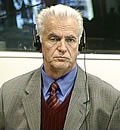
Pavle Strugar (IT-01-42)
Case Information Sheet │ Selected Documents
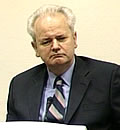
Slobodan Milošević (IT-02-54)
Case Information Sheet │ Selected Documents
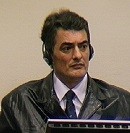
Vladimir Kovačević (IT-01-42/2)
Case Information Sheet │ Selected Documents
Selected Archive Material
The selected archive material contains a compilation of audiovisual material admitted into evidence in various ICTY trials related to crimes committed in Dubrovnik, Croatia in December 1991. When using Mechanism's archive material, please use the following credit: “Footage courtesy of IRMCT”. For third-party content, please seek permission from the content owner.
To download the selected archive material via Microsoft OneDrive, please follow this link.
Videos produced by the MIP
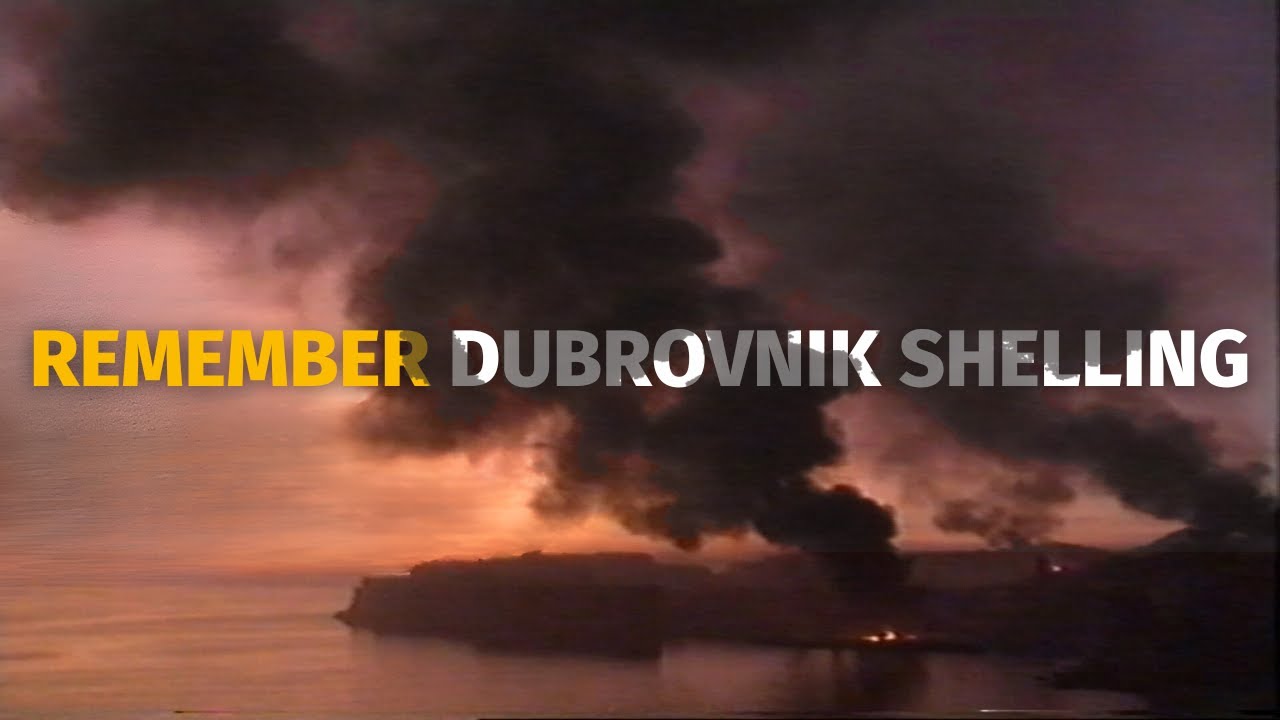
Remember Dubrovnik Shelling
Between October and December 1991, the Yugoslav Peoples’ Army (JNA) shelled the Croatian town of Dubrovnik, including the Old Town - a UNESCO World Cultural Heritage site. The ICTY convicted two high-ranking military officers, Miodrag Jokić and Pavle Strugar, for crimes committed during these attacks. In the case against Strugar, the ICTY recognised the destruction of cultural heritage as a war crime.
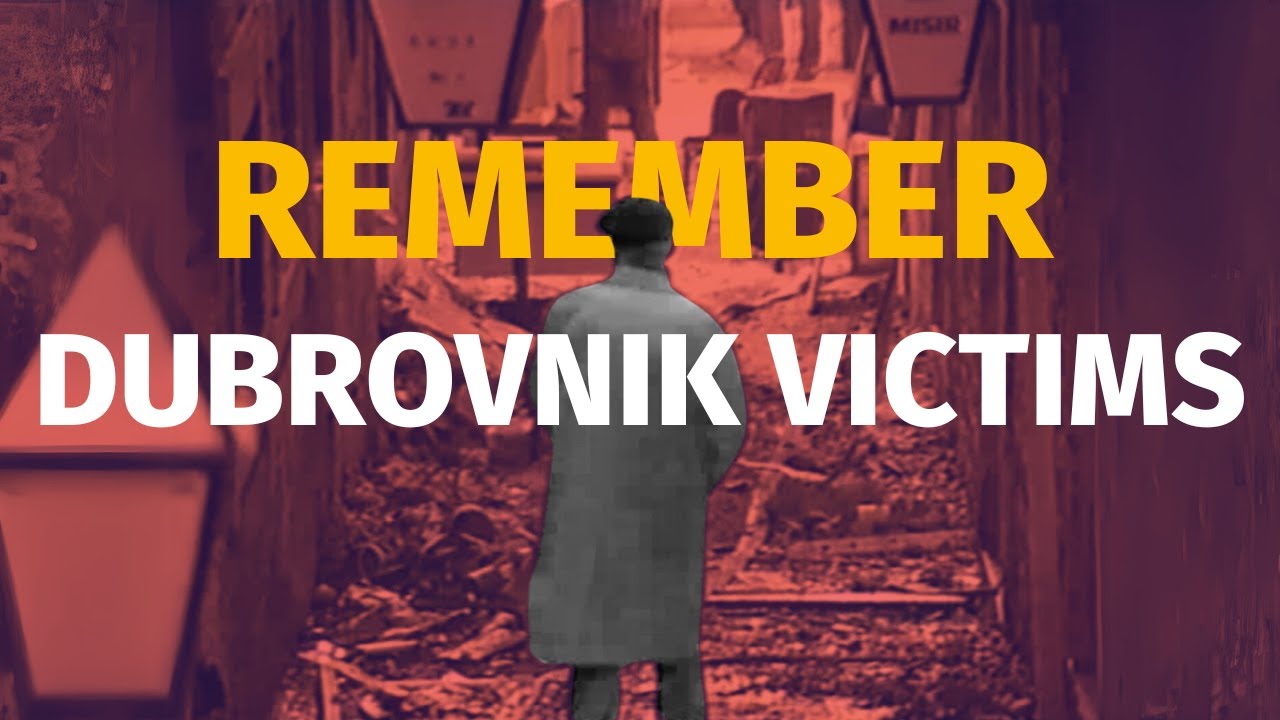
Remember Dubrovnik Victims
6 December 1991 was the most intense day of shelling in the two months that the Croatian town of Dubrovnik was under fire. Residents suffered greatly and some were killed.
The shelling also led to the destruction or damage of property in the Old Town - a UNESCO World Cultural Heritage site.
Remember Bruška Victims
×
Remember Bruška Victims
×