
MIP participates in the conference “Childhood as utopia” in Zagreb
From 8 to 10 December 2025, the Mechanism Information Programme for Affected Communities (MIP) participated in a conference in Zagreb, Croatia, entitled Detinjstvo kao utopija (Childhood as utopia). The conference was organised by the Serb National Council from Croatia (Srpsko narodno vijeće), and all events were held at the Serbian Cultural Centre in Zagreb.
MIP researcher Mr. Nemanja Stjepanović took part in two events during the conference. He first spoke at a panel discussion titled Children before the war crimes tribunals, where he highlighted the potential of the archives of the International Criminal Tribunal for the former Yugoslavia (ICTY) and the International Residual Mechanism for Criminal Tribunals (IRMCT). Mr. Stjepanović emphasised that these archival collections contain important wartime narratives about the suffering and experiences of children, including testimonies of individuals who were children during the conflict, as well as other forms of evidence documenting crimes committed against children. During this panel, the participants also discussed possible models of cooperation between the Serb National Council and the MIP in researching the topic of childhood during wartime.
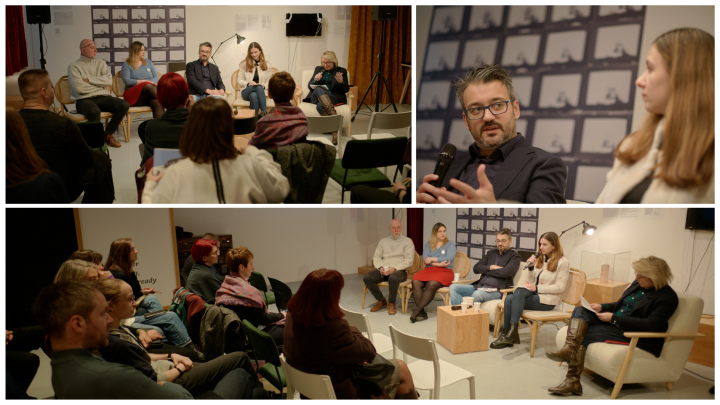
Mr. Stjepanović also participated in a public discussion, likewise held at the Srpski kulturni centar, where he spoke about the ways in which the MIP uses archival materials and presents judicially established facts. He discussed MIP’s work related to presenting the wartime experiences of children and childhood during the conflict, including through social media campaigns, cooperation with history teachers across the region of the former Yugoslavia, and through collaboration with grass-roots initiatives active in the field of transitional justice in the region.
Other speakers at the public event included: Ms. Ivana Polić (Florida State University); Ms. Maida Salkanović (War Childhood Museum); and Mr. Refik Hodžić (independent journalist, filmmaker, and activist). The discussion was moderated by Ms. Branka Vierda, independent researcher and educator in the field of transitional justice.
The MIP’s participation in this conference forms part of the Programme’s efforts to support projects and events organised by civil society organisations active in the field of transitional justice in the region of the former Yugoslavia.
The aim of the MIP is to improve the knowledge and understanding of citizens and communities in the countries of the former Yugoslavia about the crimes committed during the conflicts of the 1990s, based on the jurisprudence of the ICTY and the Mechanism. The MIP is funded by the European Union.
From 8 to 10 December 2025, the Mechanism Information Programme for Affected Communities (MIP) participated in a conference in Zagreb, Croatia, entitled Detinjstvo kao utopija (Childhood as utopia). The conference was organised by the Serb National Council from Croatia (Srpsko narodno vijeće), and all events were held at the Serbian Cultural Centre in Zagreb.
MIP researcher Mr. Nemanja Stjepanović took part in two events during the conference. He first spoke at a panel discussion titled Children before the war crimes tribunals, where he highlighted the potential of the archives of the International Criminal Tribunal for the former Yugoslavia (ICTY) and the International Residual Mechanism for Criminal Tribunals (IRMCT). Mr. Stjepanović emphasised that these archival collections contain important wartime narratives about the suffering and experiences of children, including testimonies of individuals who were children during the conflict, as well as other forms of evidence documenting crimes committed against children. During this panel, the participants also discussed possible models of cooperation between the Serb National Council and the MIP in researching the topic of childhood during wartime.
Mr. Stjepanović also participated in a public discussion, likewise held at the Srpski kulturni centar, where he spoke about the ways in which the MIP uses archival materials and presents judicially established facts. He discussed MIP’s work related to presenting the wartime experiences of children and childhood during the conflict, including through social media campaigns, cooperation with history teachers across the region of the former Yugoslavia, and through collaboration with grass-roots initiatives active in the field of transitional justice in the region.
Other speakers at the public event included: Ms. Ivana Polić (Florida State University); Ms. Maida Salkanović (War Childhood Museum); and Mr. Refik Hodžić (independent journalist, filmmaker, and activist). The discussion was moderated by Ms. Branka Vierda, independent researcher and educator in the field of transitional justice.
The MIP’s participation in this conference forms part of the Programme’s efforts to support projects and events organised by civil society organisations active in the field of transitional justice in the region of the former Yugoslavia.
The aim of the MIP is to improve the knowledge and understanding of citizens and communities in the countries of the former Yugoslavia about the crimes committed during the conflicts of the 1990s, based on the jurisprudence of the ICTY and the Mechanism. The MIP is funded by the European Union.